
Schedule and Agenda

Entebbe Zoo
Located 36 KM from Kampala City

Baha'i House of worship
Located at Bahai Rd, Kikaaya Zone B

Uganda National Mosque
Located at Kampala Hill, Old Kampala

Horus Lounge Ug
Located at Plot 24, Muyenga Tank Hill Rd, Kampala

Murchison Falls
Located 305KM North of Kampala

Bwindi Impenetrable Forest
Located in the southwestern part of Uganda on the rim of the Rift Valley

Kasubi Tombs
Located at Masiro Rd, Kampala

Queen Elizabeth National Park
Located about 410KM West of Kampala

Lake Bunyonyi
Located in Kabale District, about 7 KM west of Kabale Town

Crested Cranes
Uganda's national emblem
-
09:00 -
10:30
Room: Victoria Ball Room
Chairperson: Prof Madara Ogot, CEO UbuntuNet Alliance-
Welcome remarks:
- Prof Madara Ogot, UbuntuNet Alliance CEO (5 min)
- Nicholas Mbonimpa, RENU CEO (5 min)
- Rev. Prof John Kitayimbwa, RENU Chairperson (5 min)
- Dr Julianne Sasa-Otim, Ag, UbuntuNet Alliance Chairperson (5 min)
- European Union Representative (5 min)
- Dr. Aminah Zawedde, PS Ministry of ICT and National Guidance, Guest of Honor Speech and Official Opening of Conference (15 min)
- Keynote 1-1: Erik Huizer, CEO GÉANT (20 min)
- Keynote 1-2: Prof. Gaspard Banyankimbona, "The Role of IUCEA in Digitalization Journeys of Higher Learning Institutions in the EAC." Executive Secretary, Inter-University Council of East Africa (IUCEA) (20 min)
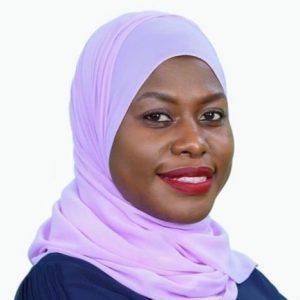
Dr. Aminah Zawedde is the Permanent Secretary of the Ministry of ICT and National Guidance.
She is an experienced IT professional passionate about embracing digital transformation to improve business models, service delivery and transform people's lives. She provides strategic and technical guidance on how various sectors can leverage innovation and digital solutions to solve their problems within academia, government and the private sector. To this end, she has played a big role in strengthening the linkages between government, the private sector, academia and development partners. My areas of specialty are Business Process Re-engineering, Systems integration, E-Governance, and Information Security. Dr. Zawedde serves on the Board of DFCU Limited. She holds a Ph.D. in Software Engineering from the Eindhoven University of Technology, a Postgraduate Diploma in Educational Technology from the University of Cape Town, and a Master of Computer Science, Information Systems and a Bachelor of Science, Statistics from Makerere University.
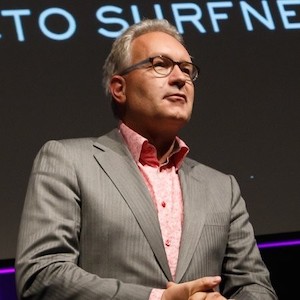
Erik Huizer has held various significant roles in the fields of education and research networking, Internet standardization, and Internet governance for over 30 years.
He is currently the CEO of GÉANT, Europe's primary collaboration for e-infrastructure and services in research and education, since July 2017. Before this, he served as the Chief Technology Officer (CTO) at SURFnet, the Dutch national academic and research network. Between 2008 and 2012, he was the Managing Director for the Information Sciences and Space Technology division at TNO (The Netherlands organization for applied scientific research). During his career, he was actively involved in various Internet-related organizations and initiatives, including chairing Dutch IPv6 Taskforce from 2002 to 2017, which promoted IPv6 adoption in the Netherlands. His contributions to the Internet earned him a place in the Internet Hall of Fame in 2014, and in 2015, he was recognized as Dutch ICT Personality of the Year. Erik has also been a teacher at workshops on Internet policy and technology in developing countries and is a TEDx speaker.
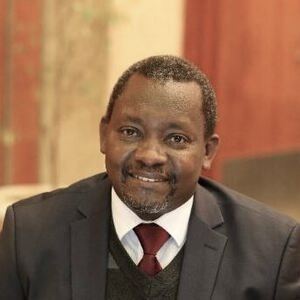
Prof. Banyankimbona is the 5th Executive Secretary of the Inter-University Council for East Africa (IUCEA) since April 2021.
He has more than a decade of uninterrupted hands-on higher education management experience by holding major leadership positions from head of department, Vice-Chancellor of the University of Burundi, Permanent Secretary and later Minister of Higher Education and Scientific Research, Burundi. He was involved in national and regional higher education reforms and policy development processes. Prof Banyankimbona is an Associate Professor of Biology at the University of Burundi.
-
Welcome remarks:
-
10:30 - 11:30
Health Break
On the terrace outside Victoria Ball Room (Main plenary hall)
-
11:30 - 13:00
Room: RegalChairperson: : Nicholas Mbonimpa, RENU
-
Bridging the Connectivity Gap Using Unconventional Last-Mile Solutions Nicholas Brian Anya, RENU- UGANDA.
-
Measuring End-User Experience in Network Research and Education Networks: Leveraging the Google ISP Tool, Sherinah Nakazibwe, RENU- UGANDA.
-
RARE Router: Use Cases and Opportunities for Research and Education Networks, Wilson Wasswa, UbuntuNet Alliance, MALAWI.
-
-
11:30-13:00
Room: Majestic
Chair: Miriam Chahuruva, ZIMREN-
Results of creative and innovative research: The success story of PataIntel, an innovative research-based E-learning platform from Tanzania, Pamela Chogo, Nelson Mandela African Institute of Science and Technology – TANZANIA.
-
Teleproctoring as a model for learning surgical skills in rural Uganda, Chelsia Melendez, Icahn School of Medicine at Mount Sinai, UNITED STATES.
-
Leveraging Science, Technology and Innovation to Foster Creative and Innovative Research and Education Communities, Margaret Muthee, National Commission for Science, Technology and Innovation - KENYA.
-
-
11:30-13:00
Room: Royal
Chairperson: : Caroline Tuhwezeine, RENU
-
‘Playing our Part’ - How African RENs are Contributing to Meeting Global Goals, Effah Amponsah, WACREN- GHANA.
-
Beyond Connectivity: Unlocking Africa’s potential through the spirit of Ubuntu, Harold Bowa, UbuntuNet Alliance, MALAWI.
-
Tackling Sustainable Development Goal 9: Examining efforts by RENU to build critical national infrastructure, Ashaba Nebert, RENU, UGANDA.
-
-
11:30-13:00
Room: Victoria Ball Room
Chairperson: Dr. Julianne Sansa-OtimPanel discussion
- Dr. Julianne Sansa-Otim, Makerere University, UGANDA
- Prof. Nancy Chitera, Malawi University of Business and Applied Sciences, MALAWI
- Dr. Grace Kamulegeya, Makerere University, UGANDA
- Dr. Isaac Mugume, Uganda National Meteorological Authority, UGANDA
- Peter Eneru, Makerere University IP Office, UGANDA
- Prof. FF Tusu Tusubira, Knowledge Consulting Ltd, UGANDA
-
13:00-14:30
Lunch
-
14:30-16:30
Room: Regal
Chairperson: Dr Frank Seth, TERNET
-
Enhancing Network Hygiene: Network-wide Blocking and Whitelisting for Effective Email Spam Filtering, Victor Masozera, RENU UGANDA
-
Maximizing Bandwidth Efficiency: App Filtering for Optimal Network Performance, William Kibirango, RENU-UGANDA
-
Unleashing Creativity and Innovation for Connectivity Services in African Research and Education Communities, Dr. Odiong Akpan, AfriLabs Research Group
-
-
14:30-16:30
Room: MajesticChairperson: Stein Mkandawire, ZAMREN
-
Democratising the use of video in African Higher Education Institutions: The Africa Digital Campus use case, Omo Oaiya, WACREN, GHANA.
-
The implementation of framework for utilizing opensource cloud services in tertiary academic institutions, David Fadaraliki, Harare Institute of Technology, ZIMBABWE.
-
Maximizing Research Impact and Fostering Creative and Innovative Research Communities through Open Access Publishing, Open Data Sharing, and Collaborative Digital Tools, Ian Khonje, OASIS Brands, MALAWI.
-
GenAI for Higher Education with AWS, Amazon Web Services
-
-
14:30-16:30
Room: Royal
Chairperson: Maria Cotera, Figshare
-
ORCID's Membership Equity Program and Regional Consortium Approach: Fostering Creative and Innovative Research and Education Communities in Africa, Lombe Tembo-Shuma, ORCID, ZAMBIA.
-
Developing and Implementing Infrastructure for Open Science: Lessons from Sierra Leone, Thomas Songu, Njala University, SIERRA LEONE.
-
LIBSENSE-RUFORUM Collaboration for Improved Agricultural Research Data Management in Africa, Pamela Abbott, The University of Sheffield - UK.
-
Open Repositories in Uganda: Gains and sustainability mechanisms for Institutional Repositories of three Institutions that participated in the concluded EIFL/SPIDER Project, Luke Francis Kiwanuka, Makerere University Library, UGANDA
-
-
14:30-16:30
Room: Victoria Ball Room
Chairperson: Solomon Dindi, MAREN-
AI-Powered Research: Tools for a Modern Researcher, Tirivangani Magadza, Harare Institute of Technology, ZIMBABWE.
-
Empowering Digital Teaching and Learning: Innovations Driving Transformation and Inclusion for the KENET Community, Zainab Mzungu, KENET, KENYA.
-
Roles of PIDs in Research Ouput Connectedness, Olatunbosun Obileye, Datacite, NIGERIA.
-
Shadow Information Technology in the Advent of Open Educational Resources, Dr. Siphamandla Mncube, University of South Africa. SOUTH AFRICA.
-
-
16:30-17:30
Afternoon tea
On the terrace outside Victoria Room (Main plenary hall) -
19:00- late

A night of dinner, drinks, dancing and entertainment at the Ndere Cultural Centre, https://ndere.com/
Bus transport shall be provided from Speke Resort.
-
09:00 -
10:30
Room: Victoria Ball Room
Chairperson: Prof Nancy Chitera- Keynote 2-1: "Automation Initiatives, Successes and Challenges in Private and Public Universities: A Case of KCA University in Kenya" Prof Damiannah Kieti Manono, DVC Finance, Planning and Development, KCA University, KENYA (30mins)
- Panel Session - The Journey of Africa’s Regional RENs. Prof Madara Ogot (Panel Chair), Boubakar Barry (CEO WACREN), Prof. FF Tusu Tusubira, Knowledge Consulting Ltd, UGANDA; Yousef Torman (CEO ASREN). (30 mins).
- Panel discussion: "Improved Infrastructure and Access to Online Learning Systems and Services Delivery at Universities in the East African Community" Chairperson: Ben Ruhinda Senior Systems Officer, IUCEA, Eliakim Okundi, Project Manager, UA, Joshua Jacob, Chief IT Specialist, NM-AIST, TANZANIA (30mins), Kennedy Aseda, CTO KENET, Kenya, Jean Claude, Systems Administrator, University of Rwanda. (30 mins).

Prof. Damiannah Kieti Manono serves as the Deputy Vice-Chancellor (DVC) for Finance, Planning, and Development at KCA University, overseeing key departments including Finance, Human Capital Management, ICT, and Marketing.
With over 20 years of experience as an Associate Professor and tourism expert, she has held leadership positions at Moi University, including as Head of the Department of Tourism and Tour Operations Management and Dean of the School of Tourism, Hospitality, and Events Management. Prof. Manono is a recipient of the Chancellor's Excellence in Service Award and serves on the leadership council of the Sustainable Development Solutions Network, Kenya. She has contributed significantly to academia through her roles as an editor, reviewer, and supervisor of graduate students, and her research covers various aspects of tourism and conservation, including wildlife-based tourism and sustainable tourism development.
-
09:00 -
10:30
Room: Regal
Chairperson: Christopher Whalen. RDCT.
Panelists:- Rodgers Kimera, Research Data and Communication Technologies, UGANDA.
- Moses Mubiru, NIH-ICER, UGANDA.
- Berny Arcanjo Chaimite, Mozambique Research and Education Network (MoRENet), Mozambique.
- Soren Dalgaard, UniCool International, Denmark.
-
10:30 -
11:30
Health Break
On the terrace outside Victoria Ball Room (Main plenary hall) -
11:30 -
13:00
Room: RegalChairperson: Prof Shedden Masupe, BotsREN
- Revolutionizing eduroam on the Go: Empowering Global Connectivity with eSIM Technology, Tumwesigye Arthur, RENU, UGANDA
- Revolutionizing Connectivity: Unleashing Creativity and Innovation to Bridge the Digital Divide in Underserved Areas of Africa, Winston Nyabera, BCS Group, UGANDA
- Public Private Partnerships, a Recipe for Enhanced Research and Innovation, Ambrose Ahurra and Kenneth Stober, Simplifi Networks, UGANDA
-
11:30 -
13:00
Room: Majestic
Chairperson: Dr Judith Leo, IUCEA- The efficacy of Digital innovation and technology for gender equality in the lives of women living with disabilities in southern Africa: The case of Zambia and Zimbabwe, Mweendalubi Dubeka, Ministry of Education, ZAMBIA.
- Building a Diverse, Equitable and Inclusive Community at The Carpentries, Angelique Trusler, The Carpentries, SOUTH AFRICA.
- Evidence-Based Strategies for Promoting Diversity and Inclusion of Library Services for Students with Visual Impairment in Nigeria: University of Lagos Experience, Stella Nduka, University of Lagos, NIGERIA.
-
11:30 -
13:00
Room: Majestic
Chairperson: Dr Salome Guchu, IUCEA- Managing Research Performance: Researcher Profile Information System, Rosemary Omwandho, University of Nairobi, KENYA.
- New wine in new wineskins: Research Data Management by Academic Libraries as innovative value added service in higher education communities, Adefunke Alabi, University of Lagos Library, NIGERIA.
- The establishment of virtual libraries within boarding houses as a means to cultivate research and facilitate the creation of research and learning commons, Macdonald Nhakura, Harare Institute of Technology, ZIMBABWE.
-
11:30 -
13:00
Room: Victoria Ball Room
Chairperson: Omwoyo Bosire Onyancha
Panel discussion- Omwoyo Bosire Onyancha, Department of Information Science, University of South Africa, SOUTH AFRICA
- Prof Williams Nwagwu, University of Ibadan, NIGERIA
- Prof Tom Kwanya, Technical University of Kenya, KENYA
-
13:00 -
14:30
Lunch
-
14:30 -
16:00
Room: Victoria Ball Room
Chairperson: Prof Madara Ogot, CEO, UbuntuNet Alliance
- Women Hackathon Lightning talks (30 mins).
- Keynote 2-2: "What NRENs can contribute to the telecommunications sector - the regulator's perspective." Eng. Irene Kaggwa Sewankambo , Executive Director at the Uganda Communications Commission (30mins)
- Award to and Keynote by Prof. Stephen Simukanga out-going UbuntuNet Alliance Board of Trustees Chair (20 mins)
- Announcement of venue for UC2024
- Closing
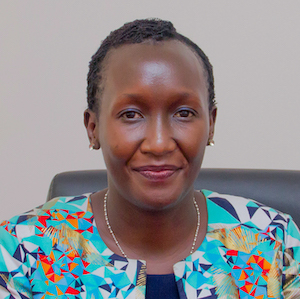
Eng. Irene Kaggwa Sewankambo is the Executive Director at the Uganda Communications Commission.
She possesses a vast experience in the ICT sector spanning policy development, research, regulation and implementation in various aspects including Internet development, licensing, universal access, quality of service, numbering resource management as well as promotion of research and innovation. An engineer by profession, Eng. Sewankambo holds a Master of Science in Communications Systems and Signal Processing from University of Bristol in United Kingdom and a Master of Science in Economic Management and Policy (Business Economic Pathway) from University of Strathclyde in United Kingdom. She acquired her Bachelor of Science Degree in Electrical Engineering from Makerere University, Kampala. Prior to this appointment, Eng. Sewankambo was the Head of Research and Development Unit as well as Coordinator of the Office of the Executive Director.
-
16:00 -
17:00
Afternoon tea
On the terrace outside Victoria Room (Main plenary hall)
Entebbe Zoo
Located 36 KM from Kampala City
Baha'i House of worship
Located at Bahai Rd, Kikaaya Zone B
Uganda National Mosque
Located at Kampala Hill, Old Kampala
Horus Lounge Ug
Located at Plot 24, Muyenga Tank Hill Rd, Kampala
Murchison Falls
Located 305KM North of Kampala
Bwindi Impenetrable Forest
Located in the southwestern part of Uganda on the rim of the Rift Valley
Kasubi Tombs
Located at Masiro Rd, Kampala
Queen Elizabeth National Park
Located about 410KM West of Kampala
Lake Bunyonyi
Located in Kabale District, about 7 KM west of Kabale Town
Crested Cranes
Uganda's national emblem